
LTGG presents

VITAL SIGNS
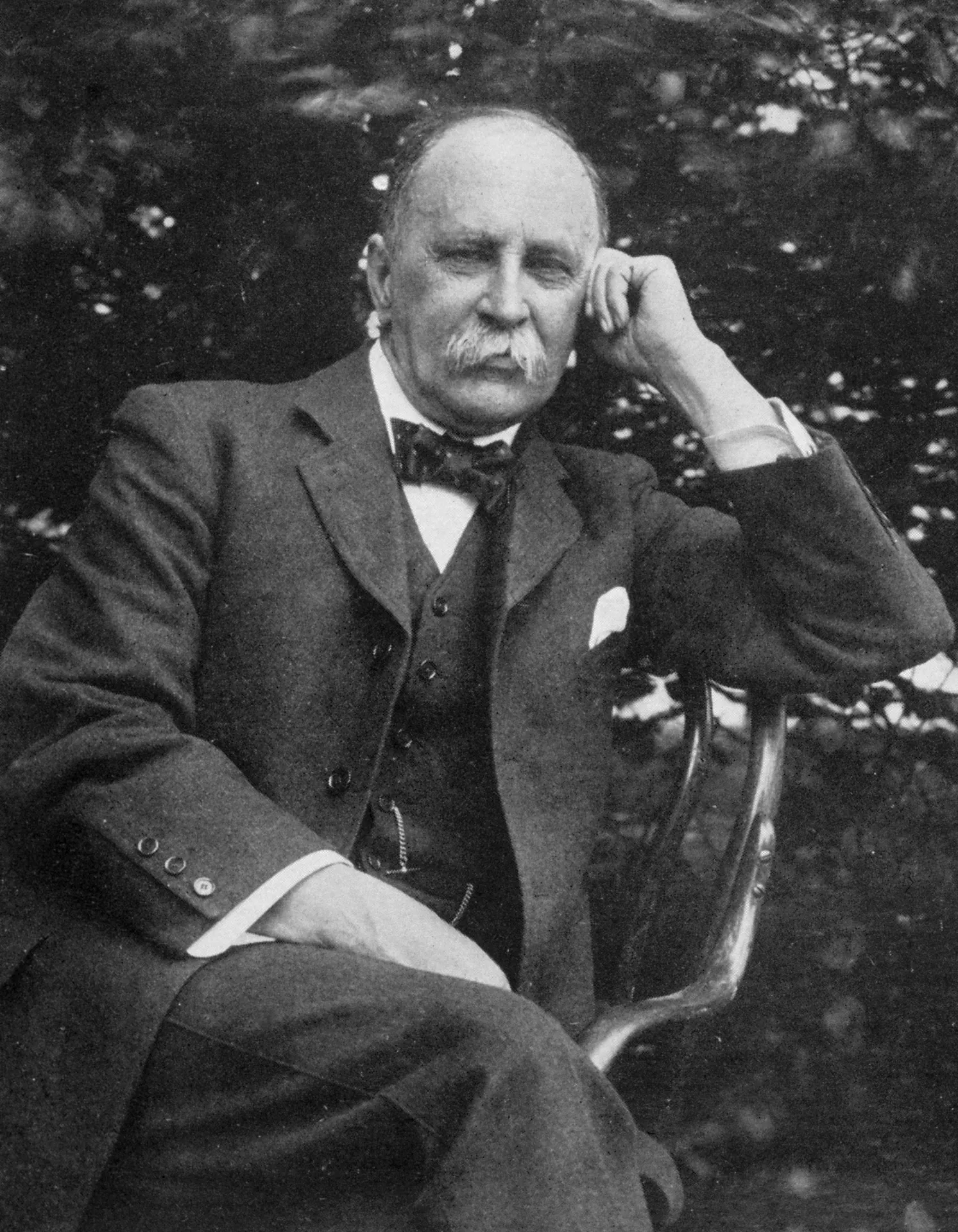
“Medicine is a science of uncertainty and an art of probability.”
William Osler, physician and pioneer of modern medicine
Your capital is at risk. Past performance is not a guide to future returns. The data in this series is based on a representative portfolio. As such, stock examples may not be held in every client portfolio, and performance, holding dates and returns may differ.
A history of opportunity
In 1928, in a cluttered laboratory at St Mary's Hospital in London, a Scottish bacteriologist noticed something odd. A mould had contaminated a Petri dish, and around it, bacteria had vanished.
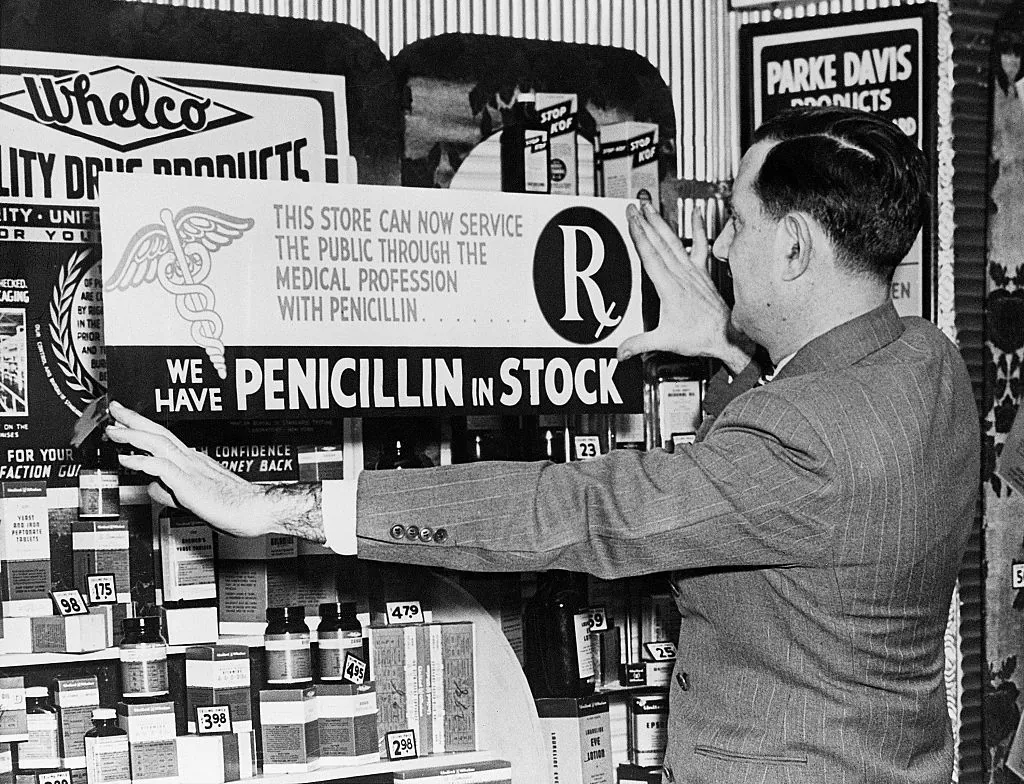
Alexander Fleming's discovery of penicillin, later developed through painstaking effort across Britain and the United States, is often framed as serendipity. But that framing misses a much deeper point. Penicillin marked one of the first times that humanity could reliably alter the course of infectious disease through targeted biological intervention. It transformed medicine, rewrote life expectancy curves and altered the social contract between citizens and the state.
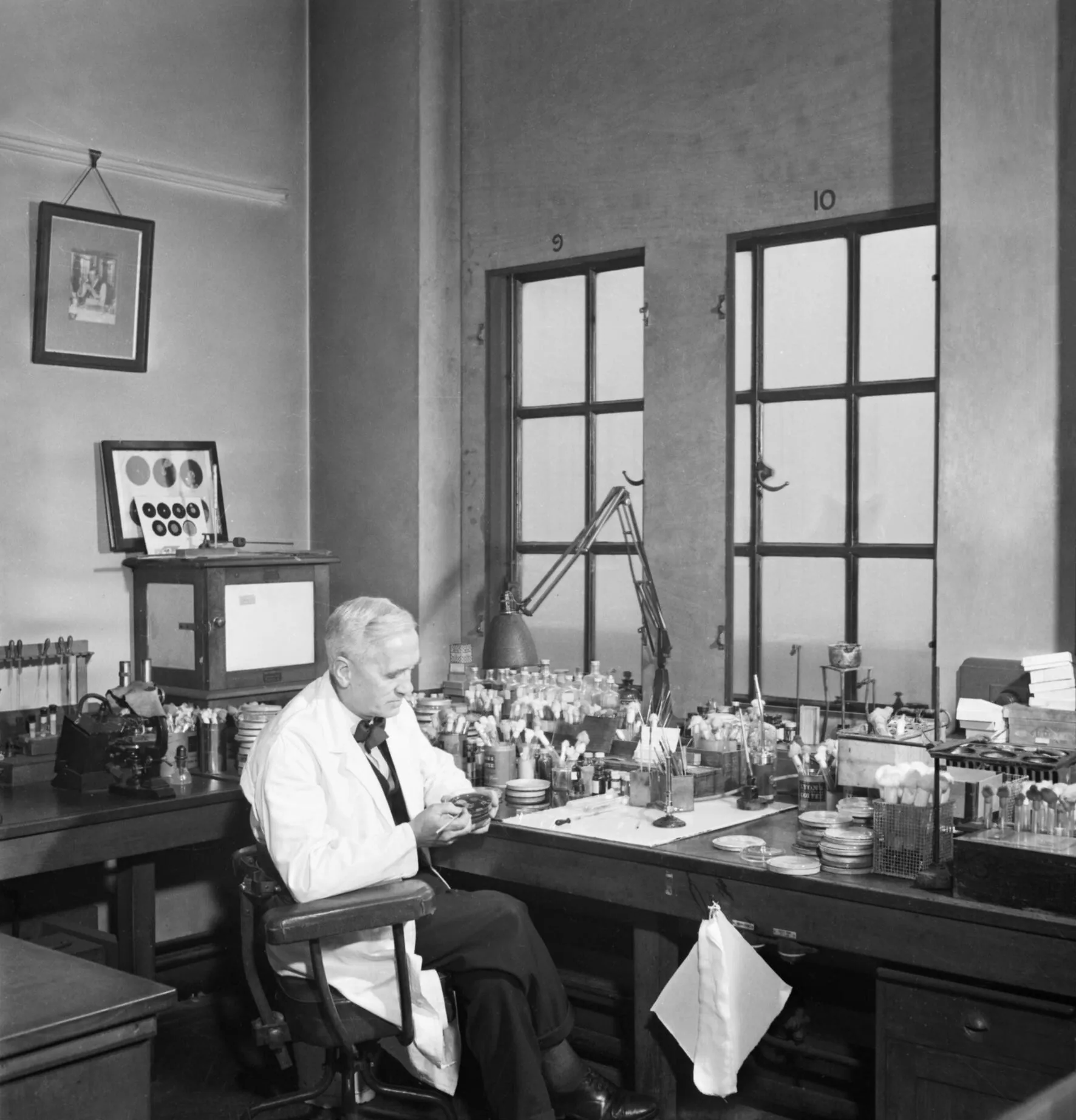
Fleming's innovation proved pivotal, echoed repeatedly in healthcare over the more than a century since Baillie Gifford began investing.
It is human nature to take for granted advances that would have seemed truly fantastical just a few short decades ago. As we've observed in Long Term Global Growth (LTGG) in recent years, "this is not a new human trait – from the printing press to the Wright Brothers' bloody-mindedness to facilitate the flight of man – proximity bias often occludes the profound changes which true innovation brings." Healthcare may be the most extreme example of all.
We have quickly normalised what once seemed impossible: few people pause to marvel at a routine MRI, an outpatient cataract procedure, or the fact that many cancers now have treatments that help people live for years rather than months.

.webp)
Once breakthroughs arrive, they fade rapidly into the background of everyday life, quietly reshaping societies while attention moves on.
Over time, these shifts in the organisation and delivery of healthcare have transformed our investment opportunity set. Systems have expanded, professionalised, and grown more complex as societies have sought to extend access, improve patient outcomes, and manage rising expectations. Scientific advances have steadily moved medicine from palliative care toward anticipation, prevention, and cure. At the same time, healthcare has become entwined with national identity and social welfare.
To quote from an LTGG research note: “Of course, healthcare has always possessed the qualities of a public good, and this has led it to behave differently when it comes to the quoted stock market, being morally charged, politically contested and tightly regulated.”
When we established LTGG in 2004, the investment backdrop was beginning to shift in meaningful ways.
The mapping of the human genome in 2000 marked a decisive inflexion point, moving biology from a chemical science toward an informational one: something that could be read, stored and, increasingly, edited.

Cost per human genome
Disease could now be understood at its source rather than inferred from its symptoms. While the practical consequences of this shift were only emerging, it fundamentally altered how medicines were discovered, how diseases were classified, and how we thought about the investment opportunities that the future of healthcare presented.
The promise was compelling: more precise therapies, fewer blunt interventions, and better patient outcomes. This did not simplify healthcare overnight, nor did it translate into obvious near-term investment opportunities, but it did inform the focus of our research efforts.
"We have found the most success in the healthcare area over the last decade or so in companies which innovate and take costs out of the system whether that be Intuitive's robots or Illumina's sequencers."
This observation captures our experience well.

The ways we've unlocked the opportunity
Over the first 10–15 years of LTGG, we primarily gravitated toward healthcare businesses that either improved productivity across the system or benefited from the convergence of powerful technological advances with medical need.
Many of these businesses could be thought of as platforms – repeatable engines that learn from feedback and, in principle, improve their odds of success over time. However, improving our own chances of investment success increasingly depended on distinguishing technological potential from the ability to convert it into a business model capable of delivering outlier returns.


Our experience with Illumina, first purchased for LTGG in 2011, made that distinction particularly clear.
Its sequencing machines were instrumental in collapsing the cost and time required to read the genetic code, shifting genomics from a niche academic research tool to a foundational input across medicine. Early in our ownership, we also played a role, alongside others, in preventing Illumina from falling prey to a hostile takeover by Roche, reflecting our conviction in its long-term potential. It also spoke directly to Question 5 of our 10 Question Framework: why do your customers like you, and what societal considerations are most likely to prove material to the long-term growth of the company? As a research update in 2020 observed, “it truly is a holding which can answer our ‘society’ question as a company which can transform mankind’s understanding of the body.”
However, in the latter years of our Illumina ownership, questions around execution, capital allocation, and leadership intensified. Growth slowed by more than could be explained by cyclical factors alone. Innovation momentum appeared to lag the scale of the opportunity, and strategic decisions – most notably the acquisition of liquid biopsy company Grail – further undermined our conviction. Although Illumina scaled into a platform business, value increasingly accrued elsewhere in the ecosystem, and the widening gap between its scientific contribution and financial returns led us to exit the position in 2023.

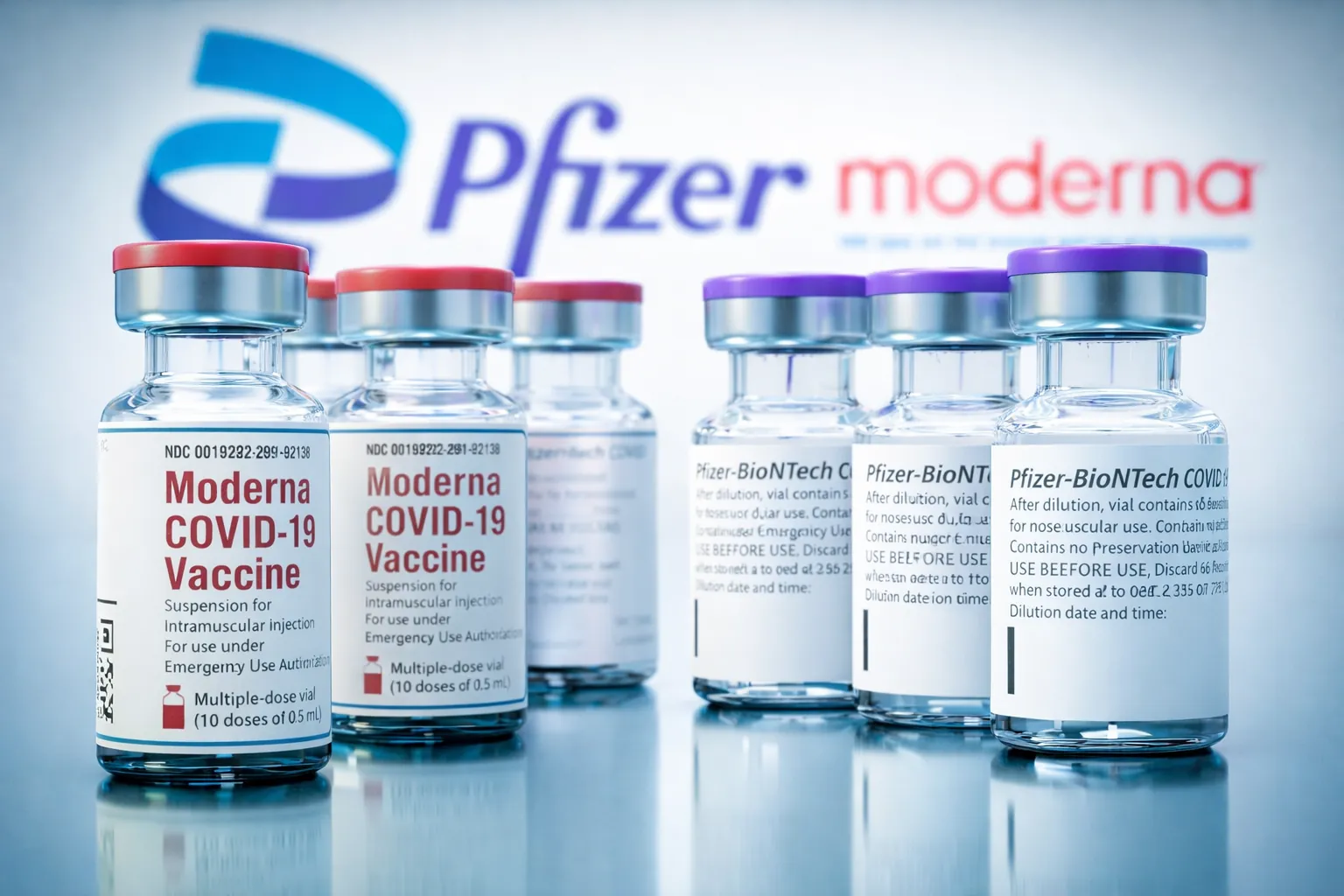
Moderna and BioNTech offered a different perspective on platform economics. We invested in both in the early stages of the Covid-19 pandemic, and they demonstrated what gene-based technologies could achieve under extraordinary circumstances.
This brace of companies showed that mRNA vaccines could be developed, manufactured and distributed at unprecedented speed and scale. For a period, both holdings exceeded our 5x growth hurdle as share prices rose sharply during the pandemic. As conditions normalised, however, share prices fell back materially.
While their gene-based therapies continued to offer potential well beyond Covid-19 and respiratory disease, the path to durable revenue streams outside pandemic conditions proved longer and more uncertain than we expected. In parallel, the capital intensity, manufacturing complexity, and execution risk involved in scaling their platforms made it increasingly difficult to see a credible route to the outlier returns required by LTGG.
Both holdings were ultimately sold, not because the science disappointed, but because the link between technological promise and economic outcome became too tenuous.

Other investments in Ionis Pharmaceuticals, Seattle Genetics and Juno Therapeutics reflected our belief that deeper insight into human biology could support scalable, platform-based innovation, targeting individually rare but collectively common ‘orphan’ diseases.
Antisense technologies, antibody-drug conjugates and engineered cell therapies offered the prospect of therapies that could be iterated, improved through feedback and extended across multiple indications over time. In practice, however, progress was slower and more uneven than early signals suggested. While the underlying science showed significant potential in the laboratory, converting it into viable businesses proved far more challenging. Platform economics were harder to realise, capital intensity and execution risk increased, and shifts in strategic focus added uncertainty around long-term value creation. In each case, these stocks did not meet our 5x growth hurdle, and the investment theses were undermined by the gap between scientific ambition and economic reality.
Our current healthcare holdings reflect a more selective focus on companies where innovation is reinforced by operational depth, regulatory integration and, crucially, profitable scalability over time.
Intuitive Surgical exemplifies how innovation and scale can reinforce one another through integration into surgical workflows. We have held the company in LTGG since 2010, during which time its robotic systems have become widely adopted across the US healthcare system. Today, Intuitive Surgical's robots are used in approximately 2.5 million procedures each year, roughly 10 times the level when we first invested, with more than 15 million procedures performed cumulatively over this time. Its expanding installed base creates powerful feedback loops: every incremental surgery generates data that can be used to refine technique, improve outcomes, and strengthen the platform's economics.

More recently, Intuitive Surgical has begun to enjoy an invigorating surf on the AI capex deployed by others, delivering a step change in its capability. Its SureForm intelligent staplers use embedded sensors and AI algorithms to measure tissue compression and automatically adjust staple application. At the same time, its My Intuitive platform acts as an AI control tower by collating video footage and performance metrics from individual procedures.


These advances are improving surgical outcomes and returns on investment for hospitals, deepening Intuitive Surgical's competitive moat. Against this backdrop, sales and procedure volumes continue to grow at over 20 per cent.
Elsewhere, Dexcom has established a leading position in continuous glucose monitoring, leveraging data and connectivity to improve outcomes while reducing long-term costs in chronic disease management.
BeOne extends that emphasis on scalable execution into biopharma as a commercial-stage biotechnology company focused on immuno-oncology and molecularly targeted cancer therapies, pairing scientific ambition with global execution and commercial rigour.
Across these investments, it has become increasingly apparent that while healthcare innovation may be abundant, the ability to translate it into enduring investment success remains rare.
Unlocking opportunity has required patience, humility, and a willingness to learn not just from successes, but from the frictions, delays, and disappointments that are intrinsic to this most complex of industries.

The opportunities looking forward
While scientific progress continues to accelerate within the sphere of healthcare, translation into durable commercial success is far from guaranteed.

"The core problem in healthcare is not ignorance, but uncertainty."
Atul Gawande, American surgeon, writer, and public health researcher

Eroom’s Law – an inversion of Moore’s Law – provides important context. Coined as a tongue-in-cheek industry observation, it describes how drug discovery has become slower and more complex over time, even as scientific tools have improved. The consequence has been persistently high clinical attrition, rising development costs and, over decades, a tendency for returns on capital across much of the industry to drift downwards.
These structural headwinds sit alongside intensifying regulatory scrutiny, increasing pricing pressure and ongoing societal debate about how much people are willing, or able, to pay for health.
This reality underscores the importance of disciplined stock selection and a clear focus on opportunities with meaningful returns, rather than relying solely on innovation to do the heavy lifting.
And yet, the scale of the opportunity remains vast.
Ageing populations and the growing burden of chronic disease ensure that demand for improved healthcare solutions will continue to rise. Recent breakthroughs in obesity treatment illustrate both the depth of unmet need and the importance of execution at scale.
Meanwhile, although the promise of personalised medicine has taken longer to materialise than many expected, as biology becomes more measurable and care pathways more data-driven, the ability to target treatment more precisely should improve.


Our task is not to avoid uncertainty, but to choose the uncertainties we can live with: favouring businesses that combine innovation with scale, resilience and disciplined execution, rather than binary science or balance-sheet risk, and where our long-term capital can make a genuine difference.
From Fleming's mouldy petri dish to modern genomics, progress in healthcare has always been uneven and unpredictable. However, the vital signs of innovation remain strong.

Exploring different questions
We continue to explore questions that receive less attention than they should from market participants:
As drug development becomes more complex and capital-intensive, where does economic value ultimately accrue? With innovators, or with those able to fund, manufacture, and distribute at scale?
Does growing reliance on partnerships, acquisitions, and licensing structurally limit the outlier potential of standalone biotechnology companies?
How much do culture, capital allocation, and organisational design matter for long-term outcomes in healthcare, relative to scientific novelty?
.webp)
As personalised medicine becomes more data-driven, which companies can retain economic value rather than surrender it to regulators, partners or payers?
Is biopharma heading toward a bifurcation between US- and China-centric pricing models, and who can survive the cost implications?
Disclaimers
Annual performance to 31 March each year (net %)
| Investment type | 2022 | 2023 | 2024 | 2025 | 2026 |
|---|---|---|---|---|---|
| Baillie Gifford Long Term Global Growth Investment Fund B-ACC | -10.3 | -16.7 | 26.9 | 5.9 | -2.3 |
| MSCI ACWI Index* | 12.8 | -0.9 | 21.1 | 5.3 | 18.0 |
| IA Global Sector | 8.4 | -2.7 | 16.7 | -0.3 | 13.4 |
Past performance is not a guide to future returns
The Long Term Global Growth Investment Fund aims to outperform (after deduction of costs) the MSCI ACWI Index, as stated in sterling, over rolling five-year periods. Prior to 1st July 2023, to outperform (after deduction of costs) the FTSE All-World index, as stated in Sterling, over rolling five-year periods. The manager believes this is an appropriate target given the investment policy of the Fund and the approach taken by the manager when investing. In addition, the manager believes an appropriate performance comparison for this Fund is the Investment Association Global Sector.
There is no guarantee that this objective will be achieved over any time period and actual investment returns may differ from this objective, particularly over shorter time periods.
Important Information
This communication was produced and approved in May 2026 and has not been updated subsequently. It represents views held at the time of writing and may not reflect current thinking.
This communication does not constitute, and is not subject to the protections afforded to, independent research. Baillie Gifford and its staff may have dealt in the investments concerned. The views expressed are not statements of fact and should not be considered as advice or a recommendation to buy, sell or hold a particular investment.
Baillie Gifford & Co Limited is authorised and regulated by the Financial Conduct Authority. Baillie Gifford & Co Limited is an Authorised Corporate Director of OEICs.
A Key Information Document is available at bailliegifford.com.
Investment markets can go down as well as up and market conditions can change rapidly. The value of an investment in the Fund, and any income from it, can fall as well as rise and investors may not get back the amount invested.
The specific risks associated with the Fund include:
- Custody of assets, particularly in emerging markets, involves a risk of loss if a custodian becomes insolvent or breaches duties of care.
- The Fund invests in emerging markets, which includes China, where difficulties with market volatility, political and economic instability including the risk of market shutdown, trading, liquidity, settlement, corporate governance, regulation, legislation and taxation could arise, resulting in a negative impact on the value of your investment.
- The Fund's concentrated portfolio relative to similar funds may result in large movements in the share price in the short term.
- The Fund has exposure to foreign currencies and changes in the rates of exchange will cause the value of any investment, and income from it, to fall as well as rise and you may not get back the amount invested.
- The Fund's share price can be volatile due to movements in the prices of the underlying holdings and the basis on which the Fund is priced.
Further details of the risks associated with investing in the Fund can be found in the Key Investor Information Document or the Prospectus, copies of which are available at bailliegifford.com.