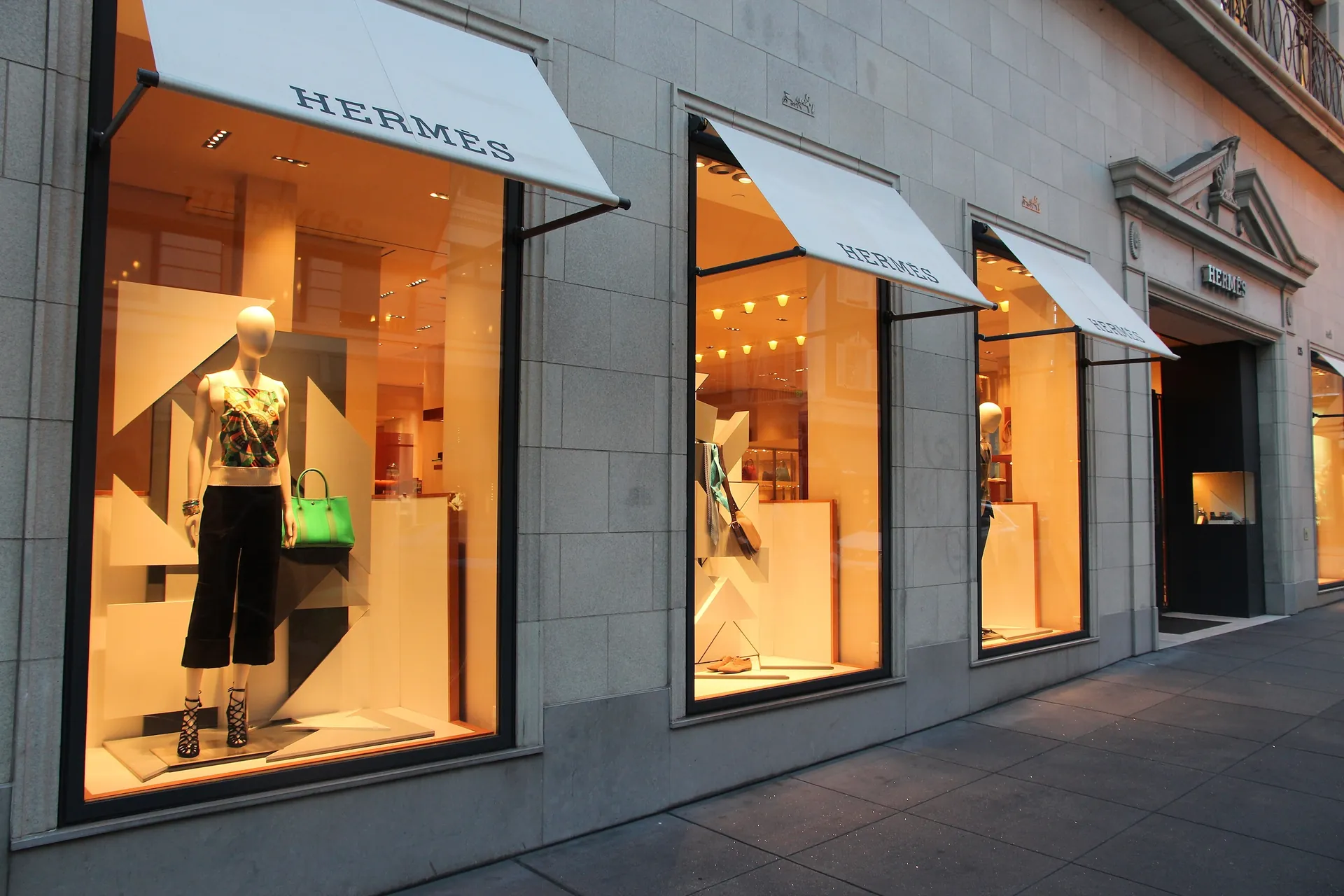
LTGG presents

ENDURING
ICONS
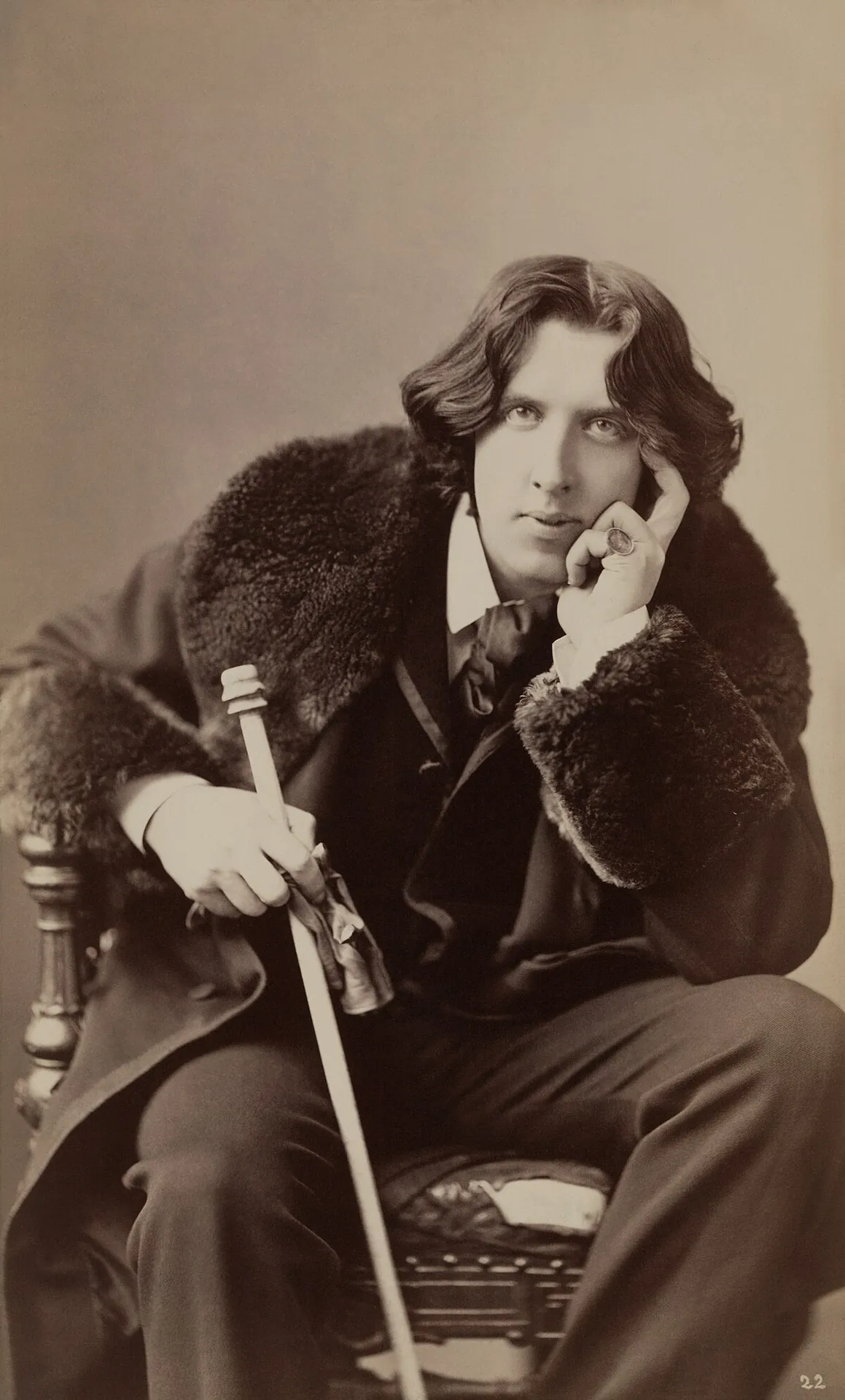
“Let me be surrounded by luxury, I can do without the necessities.”
Oscar Wilde
Your capital is at risk. Past performance is not a guide to future returns. The data in this series is based on a representative portfolio. As such, stock examples may not be held in every client portfolio, and performance, holding dates and returns may differ.
A history of opportunity
Historically, luxury was an intimate affair, reserved for small circles of royalty and nobility.
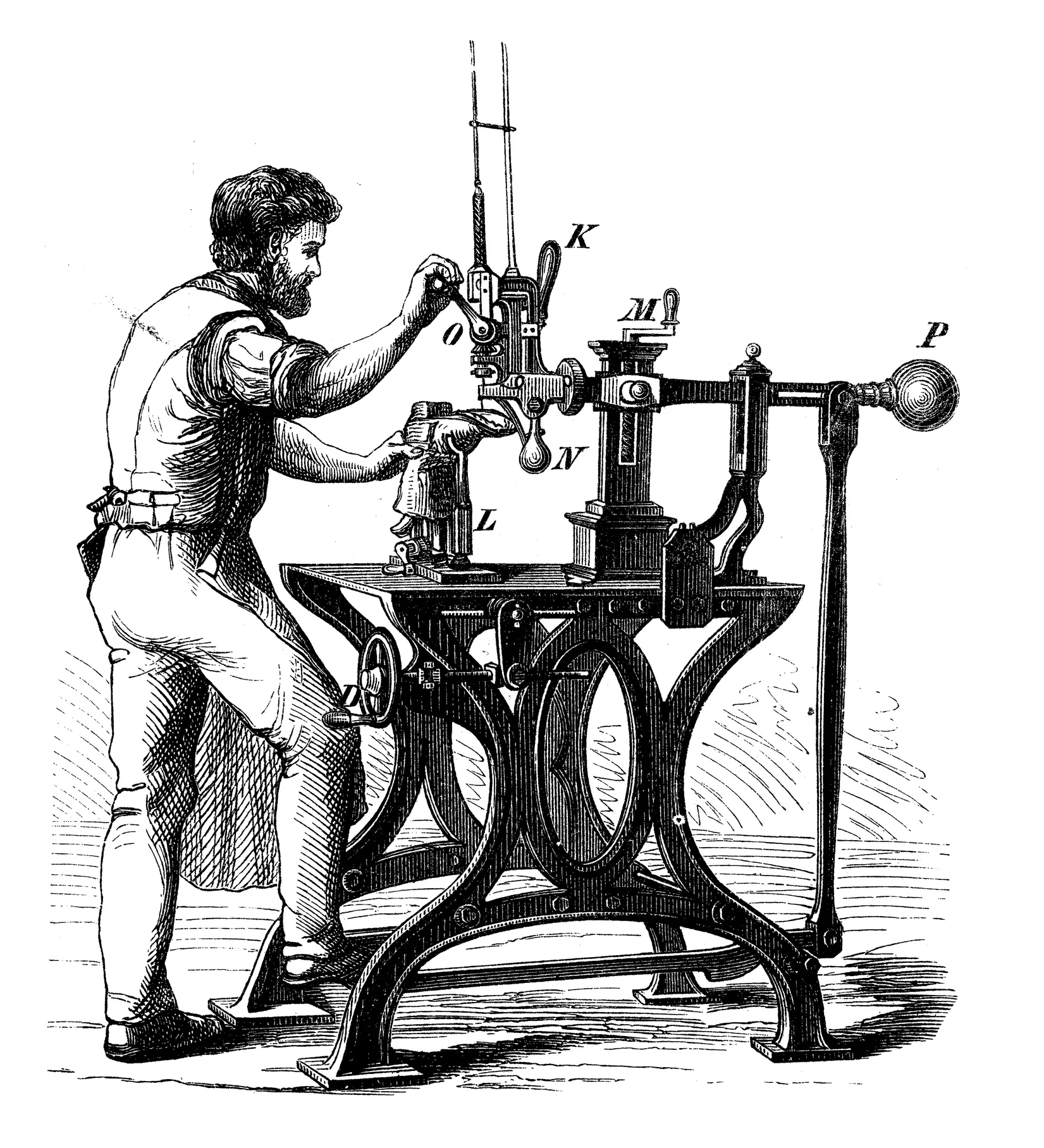
Craftsmanship was king, and artisans spent entire lifetimes honing niche skills: hand-stitching leather, embroidering silks and forging delicate metals.
As the world industrialised, the concept of luxury gradually shifted from its bespoke, handcrafted origins to more scalable, yet still exclusive, production.
By the mid-20th century, early heritage houses had started to evolve into internationally recognised brands.
Today, the luxury industry sits at the intersection of tradition and innovation. The finest luxury brands blend centuries-old techniques with cutting-edge innovation, appealing to modern consumer tastes through sustainability, digital storytelling and technological advancement, while preserving their mystique through carefully managed scarcity.
The word “luxury” is derived from the Latin luxus, meaning “vicious indulgence”.
On the Long Term Global Growth (LTGG) team, we would argue that luxury today is better understood as refinement, lust, aspiration, exclusivity, and, importantly, expense. This framing helps to explain why the strongest luxury brands can command extraordinary pricing power and spectacular margins, all without losing relevance across generations.
A small handful of rare brands have successfully mastered the delicate art of honouring heritage and embracing change, creating not just products, but enduring icons.
The ways we've unlocked the opportunity
True luxury is timeless, which is why it has been a permanent fixture of the LTGG portfolio since its inception in 2004.
The best luxury businesses possess a certain je ne sais quoi: a powerful alchemy of authenticity, heritage, and symbolism that is extremely difficult for newcomers to copy. As Mark Urquhart, head of the LTGG team, observes: “The heritage and longevity of a luxury brand is absolutely central to its demand and while the counterfeiters can imitate this, it is virtually impossible to replicate. As such, I would contend that such luxury brands possess among the best competitive advantages which we can find and they should be valued very highly.”
Yet the market often fails to adequately recognise the value of this enduring advantage.
The best luxury brands sustain unusually elevated returns on assets, year after year, decade after decade.
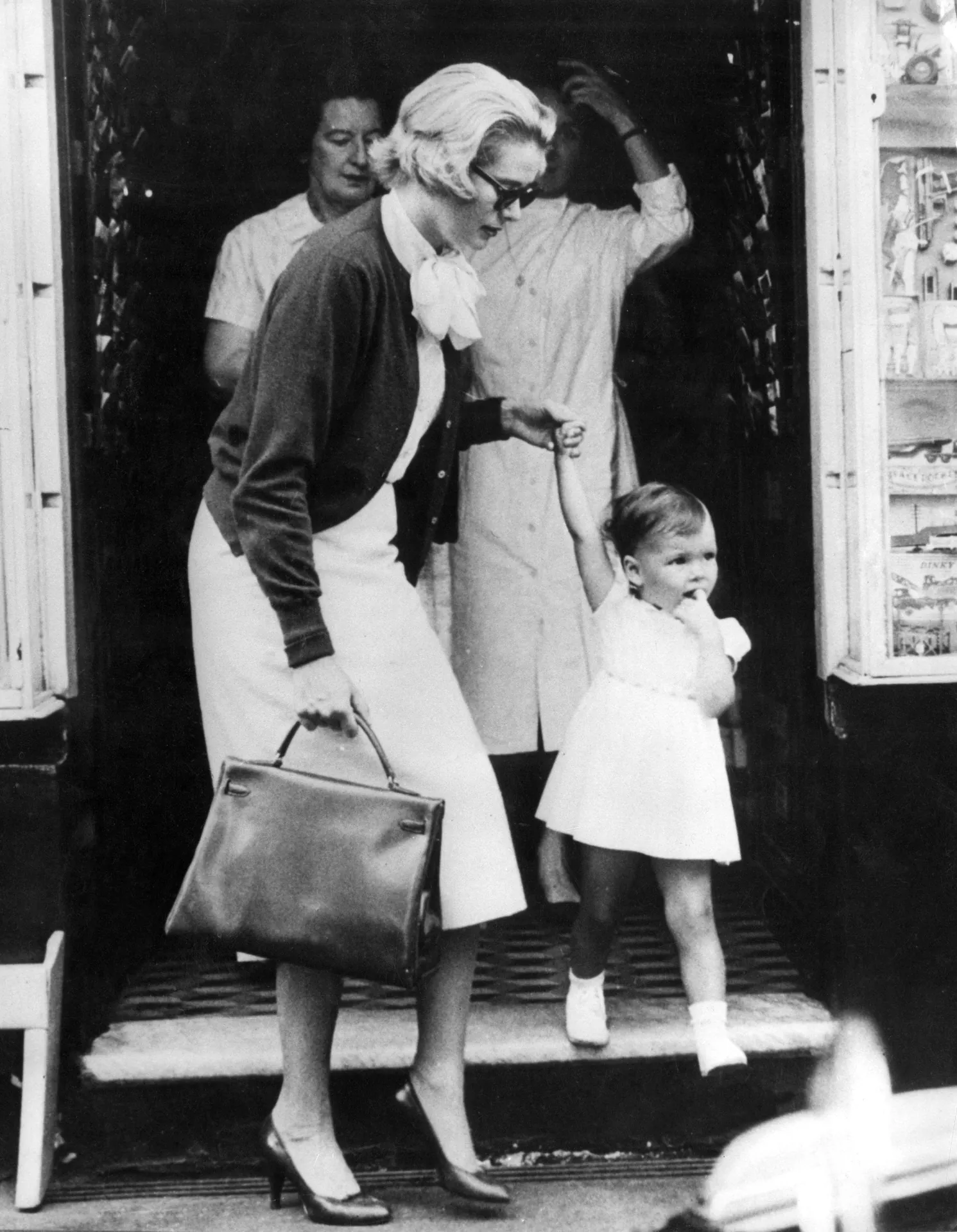
Compounding at this level is extraordinarily powerful: returns in the high teens can generate a fivefold return over a decade, and more than a 25-fold return over 20 years. Many standard valuation models grossly undervalue this level of compounding. Our 10 Question Stock Research Framework was purposefully designed to marry the quantitative and qualitative aspects of long-term scenario analysis, enabling us to recognise the power of compound growth over longer periods of time.
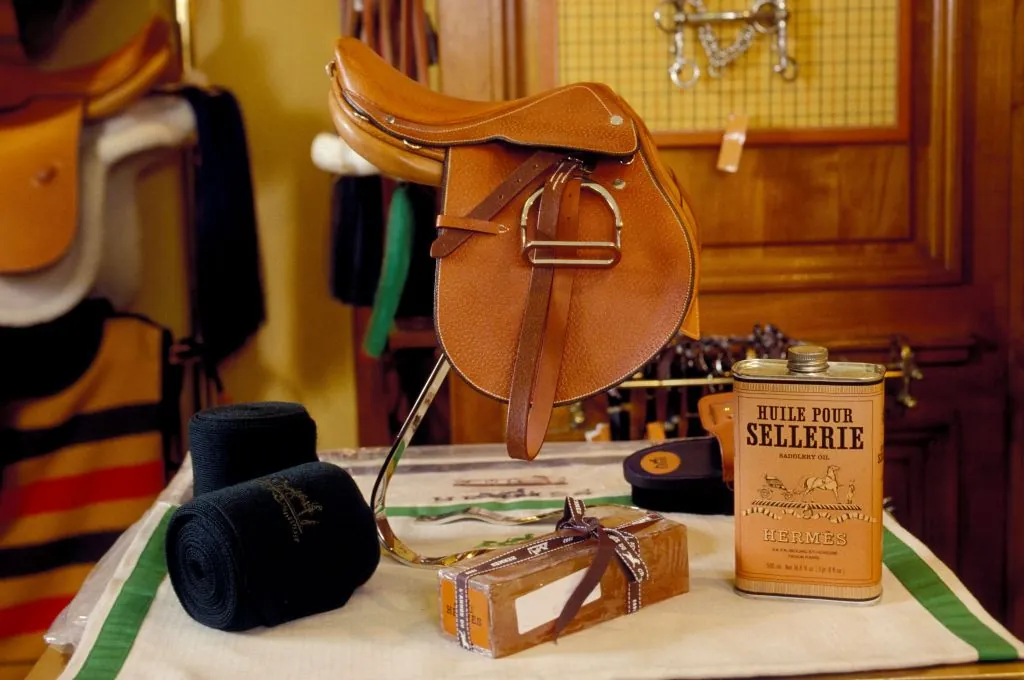
Hermès is a prime example of an iconic luxury brand showing all the characteristics we seek. Held in the portfolio since 2004, it has delivered a remarkable return well north of 40x during our holding period.
Over time, we have observed that Hermès exhibits the traits of a business carefully nurtured over centuries.
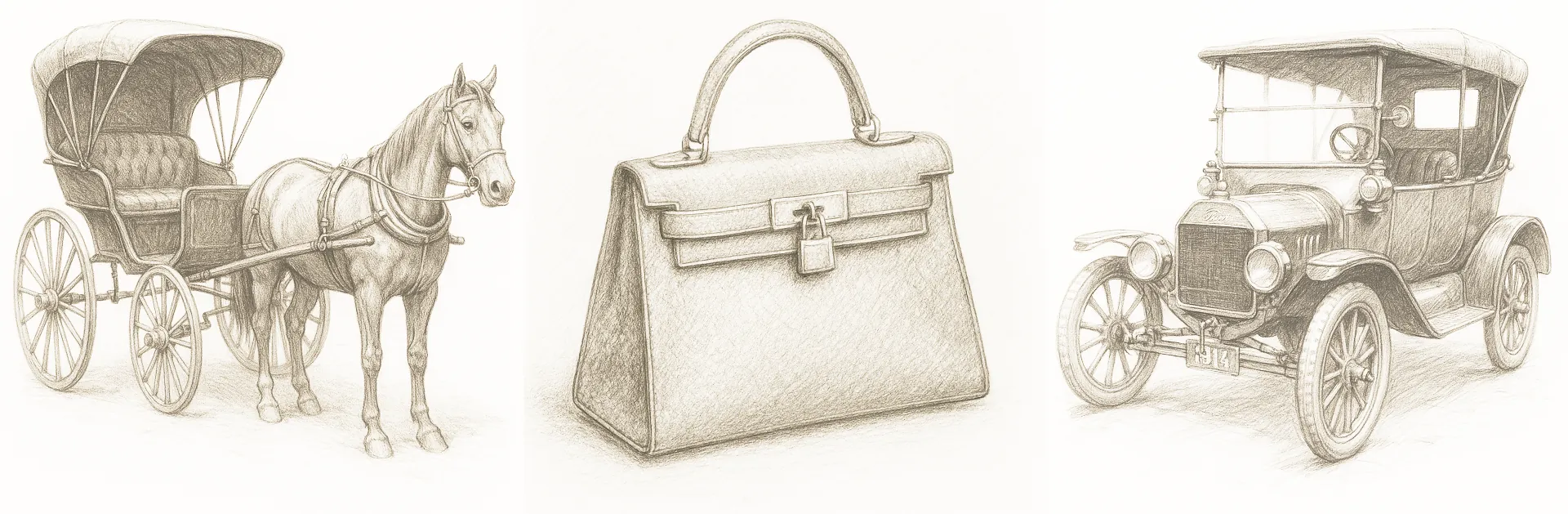
Hermès was born long before mass production and remains a survivor from the age-old era of artisanal craft. And yet it has also demonstrated impressive adaptability. In the 1880s, Hermès' primary focus was as a high-end saddle supplier to the premier transport mode of the day. The arrival of the mass-produced automobile in the early twentieth century signalled “peak horse” and could easily have brought the end of Hermès. Instead, the company recognised that its leatherworking mastery could translate into new categories. It moved into travel bags in 1914, then gradually expanded into the broader range of luxury products we know today, including the Birkin and Kelly bags, scarves, ties, perfume, watches, glassware, tableware, and haute couture.

"The Dumas family has stewarded Hermès for six generations. That continuity allows them to think in decades, not quarters."
Mark Urquhart - Head of LTGG
Each Hermès piece carries centuries of craft, allowing consumers to feel truly special. To purchase from Hermès is to learn about human skill, and to wear an exclusive Hermès product is to don a work of art. The brand expertly cultivates an air of suspense around its most coveted pieces, and the legendary waiting lists for a Birkin or Kelly bag only deepen the allure. This managed scarcity, a common characteristic of the outlier companies we seek in LTGG, only amplifies the brand’s desirability. As consumers are constantly buffeted by ephemeral fads and fashions, Hermès offers reassuring authenticity and a sense of permanence. The brand functions as a trusted cultural institution, an embodiment of the finest French savoir-faire.
Hermès' discipline has repeatedly revealed itself in decisions that prioritise longevity over short-term profit. Over a decade ago, it had a surprise hit on its hands in Tokyo when a relatively inexpensive beach bag – by Hermès standards, though still $850! – became wildly popular. Rather than maximise volumes, Hermès pulled the product, concerned by the potential long-term damage to brand equity. When the then CEO reported this decision to forgo short-term profits to the board and the family, he received a standing ovation. It was a testament to a culture built around family owners whose chief desire is to pass the business on to their grandchildren.
Our experience across other luxury holdings reinforces a crucial lesson: strategic discipline and patience are essential, and the reason to own a company can change, even if the brand remains admired.
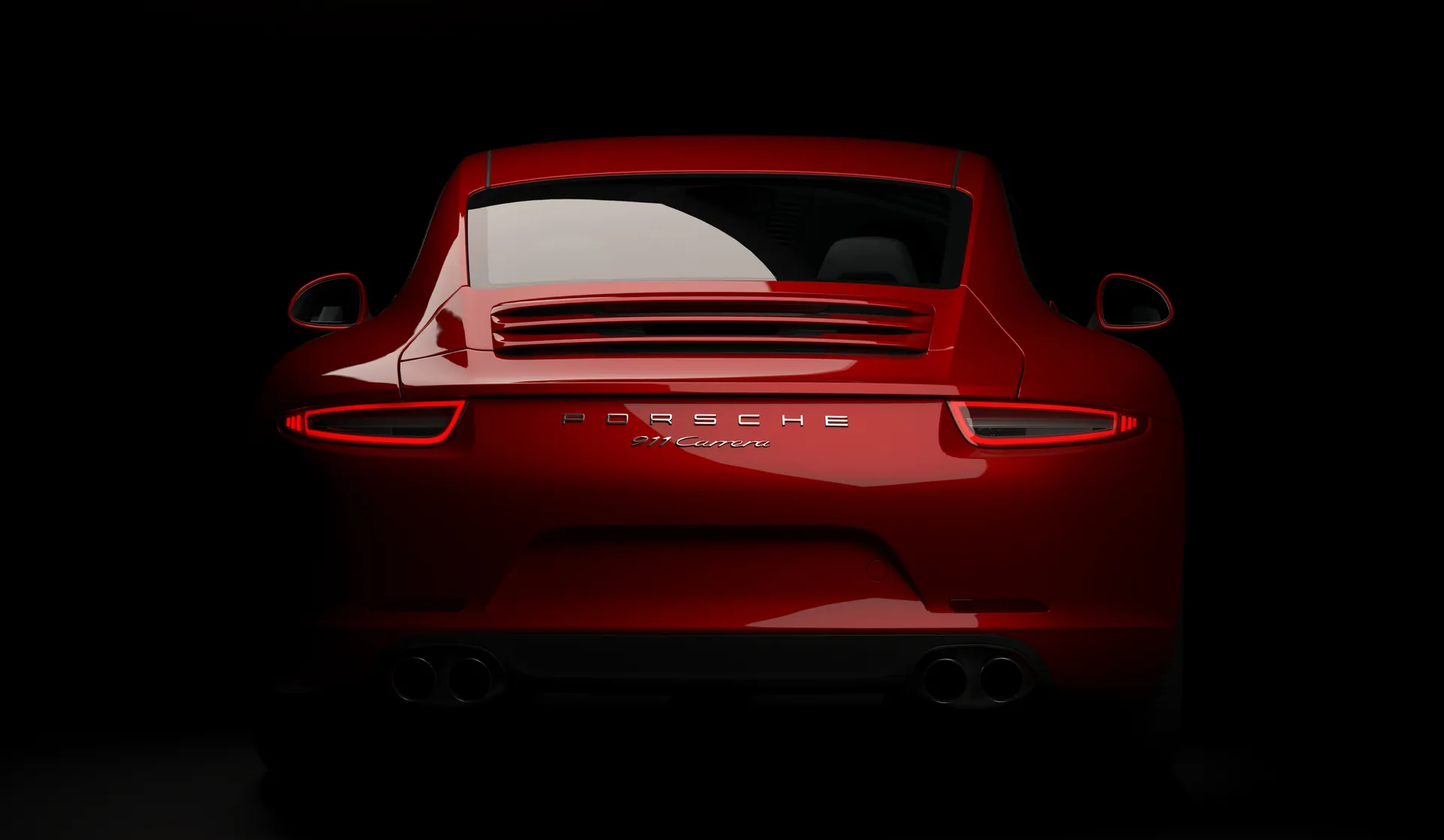
We bought Porsche in the early days of LTGG (2004), believing it should be viewed as a luxury brand as much as a carmaker. By 2013, however, the story had changed.
Porsche’s main asset had become its stake in Volkswagen, a broader but blander business with fewer avenues for growth, and it was therefore time for us to move on. In 2012, we were drawn to the increasing luxury status of Burberry, but we sold in 2016. By then, the brand had proved more susceptible to broader consumption trends than we had anticipated, and the management culture appeared increasingly short-term.
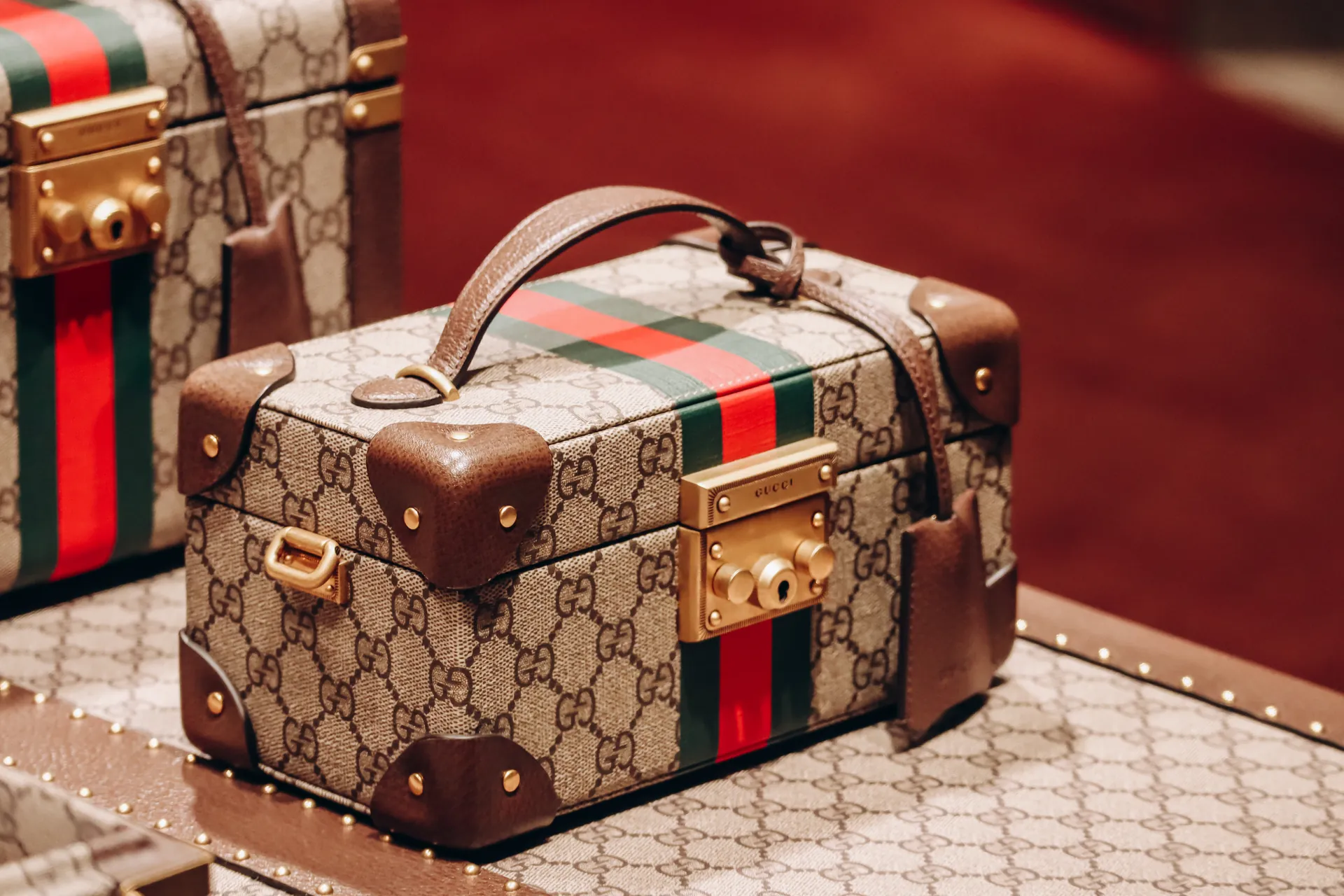
We invested in Kering, or PPR as it was then called, in 2008, in the belief that it would evolve from an eclectic assembly of non-luxury brands into a cohesive, pure-luxury powerhouse, ably guided by esteemed CEO François-Henri Pinault.
This played out in the years that followed, with globally prestigious labels such as Gucci, Saint Laurent, Bottega Veneta, and Balenciaga achieving significant success. Latterly, though, Kering's valuation became ever more dependent on just one of its brands. Gucci had grown to account for around half of total sales, having enjoyed rapacious growth for several years. Though Gucci successfully leaned into a new generation of younger consumers, its styles veered more toward fashion than luxury, more cyclical than timeless.
Gucci's most affluent customers appeared increasingly alienated, while support from Kering's other brands ultimately didn't provide enough resilience, as many remained sub-scale and faced headwinds of their own. Taking this together with the impending retirement of François-Henri Pinault, who had architected the group's success over the past 20 years, we sold our holding in August 2024, in favour of higher-conviction names elsewhere.
The opportunities looking forward
Increasingly, the opportunity is broadening beyond the traditional strongholds of Europe as powerful brands emerge in countries with deep cultural heritage, great national pride, and loyal customer bases.
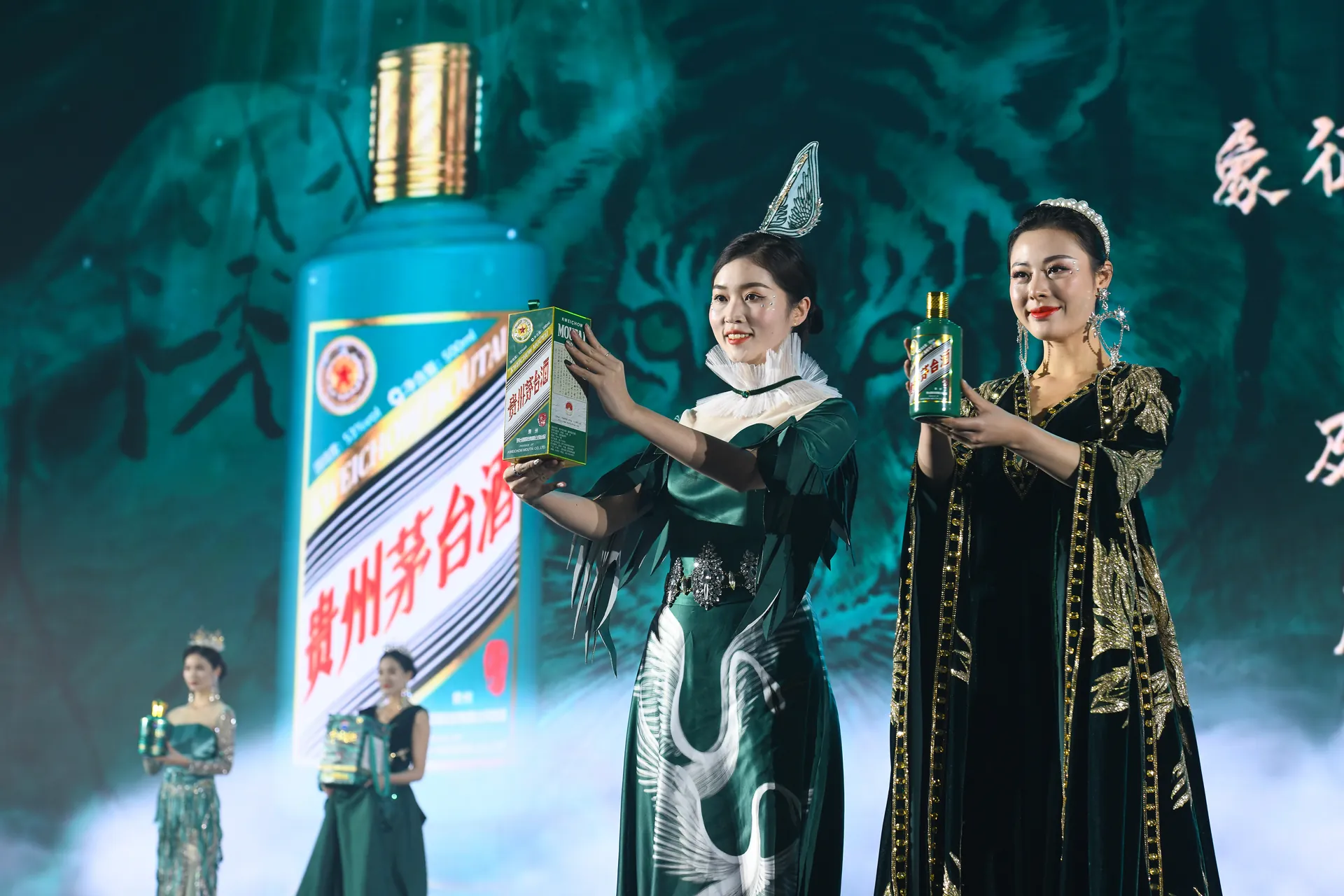
Kweichow Moutai, held since 2024, embodies this expanding geography of luxury. This baijiu company is arguably the most iconic Chinese consumer brand. As we noted in early research:
“Kweichow Moutai has among the best barriers to entry we can find in global stock markets, it simply cannot be replicated.”
The company operates in a market where more baijiu is sold annually than vodka, whisky, gin, rum, and tequila combined. Made from sorghum, wheat and, vitally, water from the Chishui River, the spirit carries a geographic pedigree akin to Champagne’s protected regional premium. With scarce supply, a loyal customer base, and limited competition, Moutai commands exceptional pricing power, making it a highly profitable business. The company combines ancient methodology with modern science, while its business model blends commercial acumen with fastidious strategic planning. The management team thinks in centuries, fitting for a product with 3,500 years of tradition and a central role in status and celebration.
India’s jewellery market presents another compelling intersection of tradition and transformation.
Titan, also held since 2024, has positioned itself at the confluence of cultural heritage and contemporary commerce, exemplifying how luxury brands can harness demographic tailwinds while respecting deep-rooted customs. Through its core brands, Tanishq, Caratlane, and Zoya, Titan has introduced innovations such as the “caratmeter,” which allows customers to verify the purity of their jewellery and family heirlooms. This commitment to transparency has fundamentally changed how Indians purchase jewellery, establishing trust in a historically opaque market and positioning Titan as the preferred formalised player in a rapidly evolving industry.
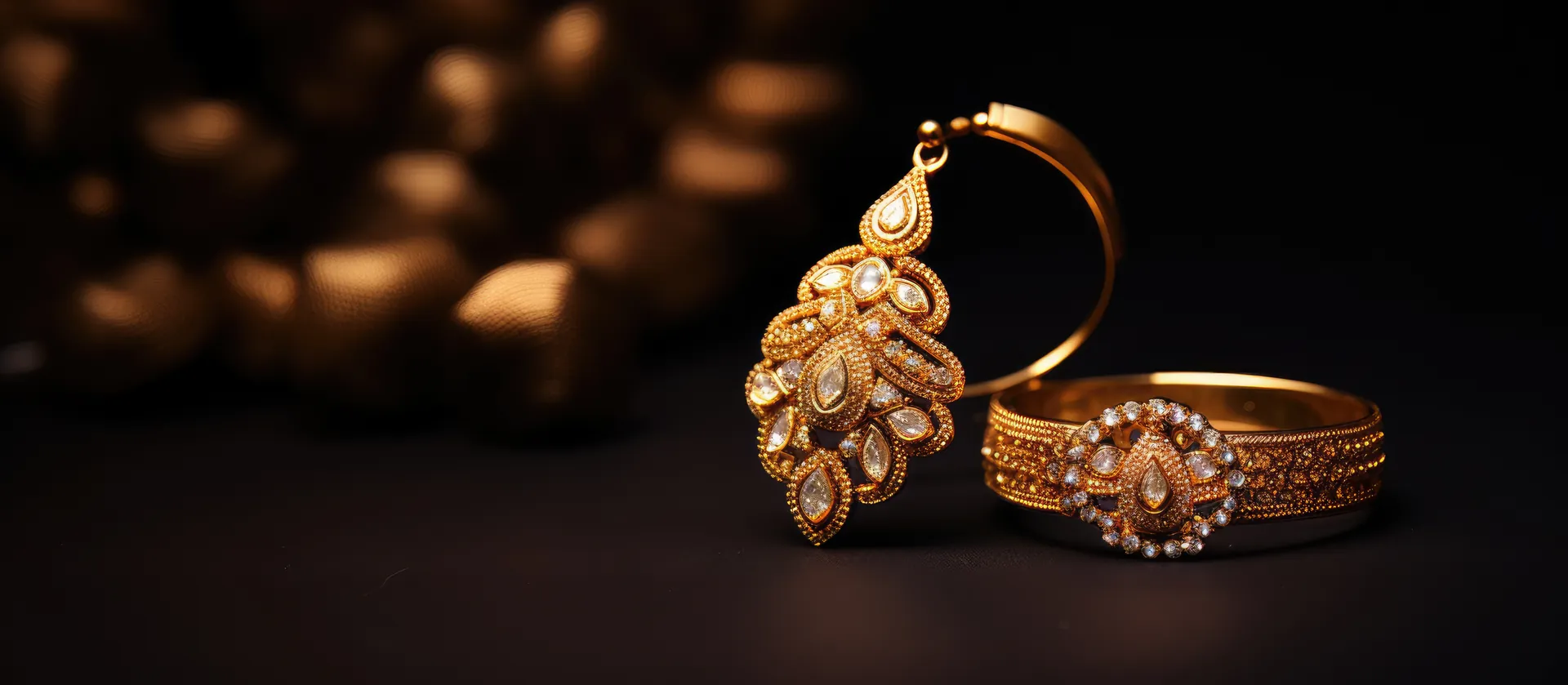
The story of Titan is deeply intertwined with India’s cultural fabric.
The domestic jewellery market is approximately 30 per cent larger than America’s, despite India having half the GDP. This is not merely about luxury but about tradition: over one billion Hindus celebrate Diwali annually, and jewellery is the customary gift. Wedding jewellery drives 60 per cent of domestic demand; meanwhile, rising incomes, changing consumer preferences, and increasing regulatory scrutiny are tilting the market toward formalised players. Titan’s well-crafted franchise model ensures scalable growth, with plans for substantial store expansion both domestically and internationally.
In Europe, we continue to identify those rare brands that marry heritage with contemporary relevance.
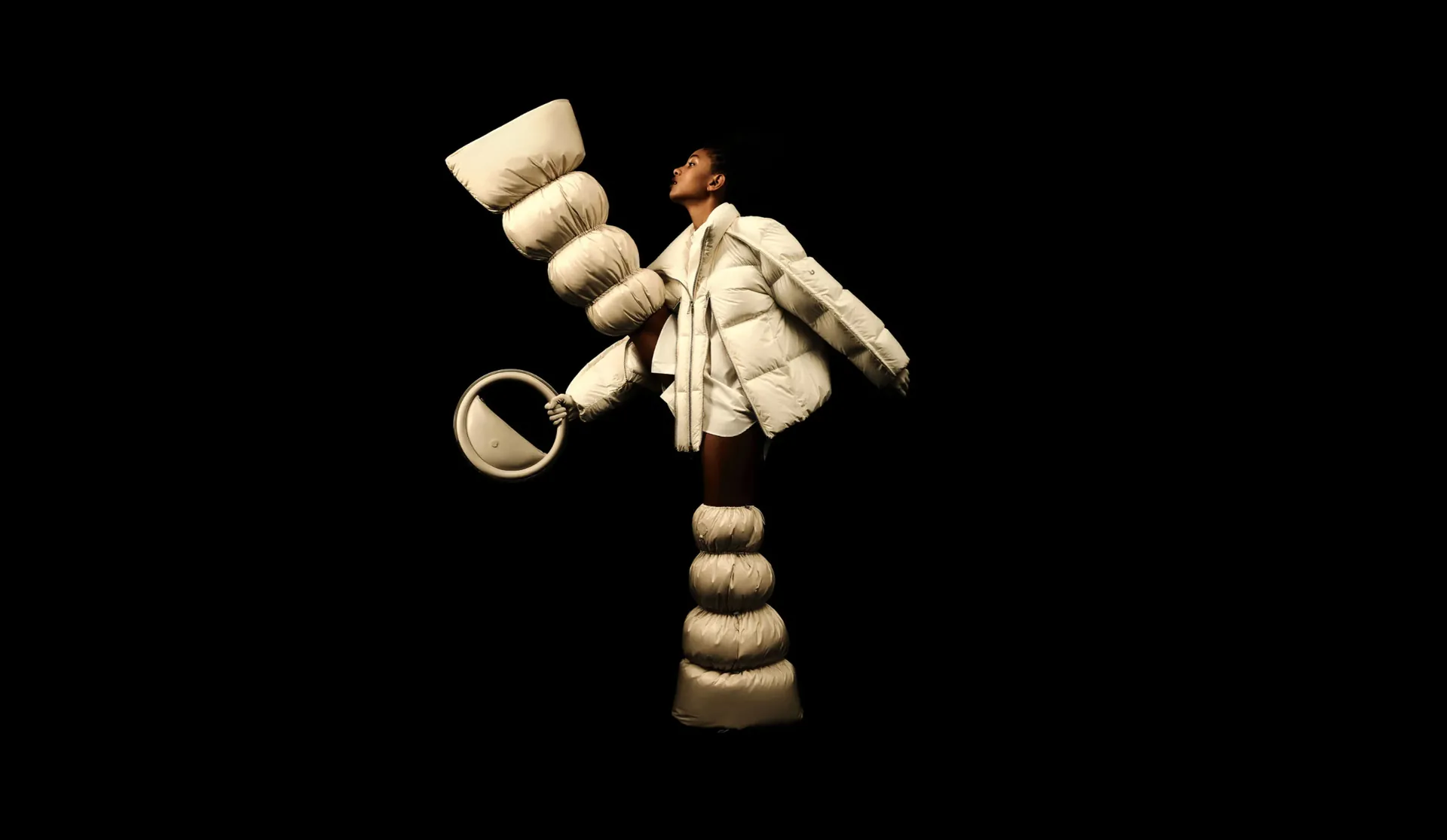
We invested in Moncler in 2024, drawn to the company's long-term aspirations to grow the brand con dignità (with dignity)
as it gradually shifts perceptions from functional outerwear toward coveted global fashion. Its innovative Genius platform, utilising multiple creative directors, enables the brand to connect with communities beyond traditional luxury audiences.
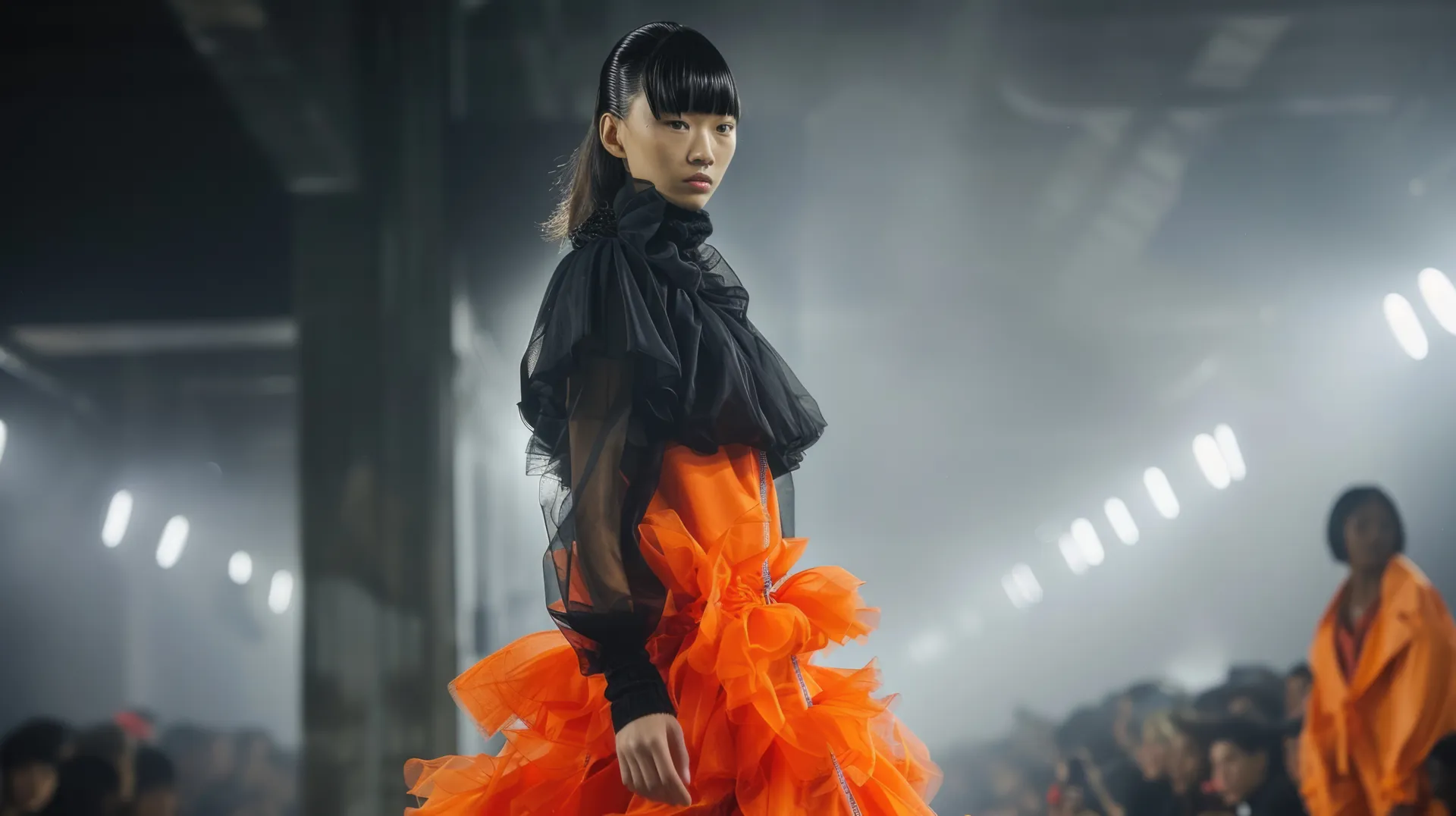
As we observed in our early research, “Moncler has one of the clearest and most distinct brands in the world; authentic Alpine heritage and seventy years of history that seems impossible to replicate. Global logo recognition is exceptionally strong. That it divides opinion is attractive; it possesses the most valuable intangible quality of being aspirational while skewing toward Gen Z and Millennials.”
Whether in Paris, Guizhou, Mumbai, or the Italian Alps, the thread connecting our luxury holdings remains constant: authentic heritage that cannot be replicated, pricing power that defies conventional economics, and an unwavering commitment to the long term.
As long-term investors, we have access to perhaps the greatest luxury of all: time. As the opportunity set evolves and expands, we are well-positioned to identify the next generation of enduring icons early, and we have the patience to hold them through the inevitable cycles.
Our edge lies in recognising that the finest things take time, and for us, patience will always be in fashion.

Exploring different questions
We continue to explore questions that receive less attention than they should from most market participants:
How might AI agents reshape the distribution of luxury goods, and what could the implications be for luxury businesses?
How do geopolitical tensions and shifting trade barriers affect luxury businesses, and which companies are best placed to navigate an increasingly fragmented world?
As China's luxury consumers mature and their tastes evolve, will European heritage brands retain their cultural cachet, or will domestic brands increasingly dominate?
Disclaimers
Annual performance to 31 March each year (net %)
| Investment type | 2022 | 2023 | 2024 | 2025 | 2026 |
|---|---|---|---|---|---|
| Baillie Gifford Long Term Global Growth Investment Fund B-ACC | -10.3 | -16.7 | 26.9 | 5.9 | -2.3 |
| MSCI ACWI Index* | 12.8 | -0.9 | 21.1 | 5.3 | 18.0 |
| IA Global Sector | 8.4 | -2.7 | 16.7 | -0.3 | 13.4 |
Past performance is not a guide to future returns
The Long Term Global Growth Investment Fund aims to outperform (after deduction of costs) the MSCI ACWI Index, as stated in sterling, over rolling five-year periods. Prior to 1st July 2023, to outperform (after deduction of costs) the FTSE All-World index, as stated in Sterling, over rolling five-year periods. The manager believes this is an appropriate target given the investment policy of the Fund and the approach taken by the manager when investing. In addition, the manager believes an appropriate performance comparison for this Fund is the Investment Association Global Sector.
There is no guarantee that this objective will be achieved over any time period and actual investment returns may differ from this objective, particularly over shorter time periods.
Important Information
This communication was produced and approved in May 2026 and has not been updated subsequently. It represents views held at the time of writing and may not reflect current thinking.
This communication does not constitute, and is not subject to the protections afforded to, independent research. Baillie Gifford and its staff may have dealt in the investments concerned. The views expressed are not statements of fact and should not be considered as advice or a recommendation to buy, sell or hold a particular investment.
Baillie Gifford & Co Limited is authorised and regulated by the Financial Conduct Authority. Baillie Gifford & Co Limited is an Authorised Corporate Director of OEICs.
A Key Information Document is available at bailliegifford.com.
Investment markets can go down as well as up and market conditions can change rapidly. The value of an investment in the Fund, and any income from it, can fall as well as rise and investors may not get back the amount invested.
The specific risks associated with the Fund include:
- Custody of assets, particularly in emerging markets, involves a risk of loss if a custodian becomes insolvent or breaches duties of care.
- The Fund invests in emerging markets, which includes China, where difficulties with market volatility, political and economic instability including the risk of market shutdown, trading, liquidity, settlement, corporate governance, regulation, legislation and taxation could arise, resulting in a negative impact on the value of your investment.
- The Fund's concentrated portfolio relative to similar funds may result in large movements in the share price in the short term.
- The Fund has exposure to foreign currencies and changes in the rates of exchange will cause the value of any investment, and income from it, to fall as well as rise and you may not get back the amount invested.
- The Fund's share price can be volatile due to movements in the prices of the underlying holdings and the basis on which the Fund is priced.
Further details of the risks associated with investing in the Fund can be found in the Key Investor Information Document or the Prospectus, copies of which are available at bailliegifford.com.